Publications
02.07.2018 08:00 Ihor Lossovskyi*: Russia`s aggression against Ukraine as destabilizing factor of erosion of non-proliferation regimes
On December 5, 1994, the leaders of the United States, the Great Britain, Russia and Ukraine (B.Clinton, J.Major, B.Yeltsin and L.Kuchma) concluded the Budapest Memorandum «On security guarantees in connection with the accession of Ukraine to the Treaty on the Non-Proliferation of Nuclear Weapons (NPT, 1968)». Two other nuclear states and the UN Security Council permanent members - China and France - formally expressed similar guarantees to Ukraine in the form of relevant statements (Statement of the Government of China of 04.12.1994 and the Declaration of France with the accompanying letter of President F.Mitteran of 05.12.1994), although formally not signed the Memorandum. The main difference between these two statements and the content of the Memorandum is the absence of the paragraph on compulsory consultation in case of situations that affect the issues of these obligations. Ukraine, for its part, undertook to withdraw all nuclear weapons from the territory of the country, at that time the third largest nuclear arsenal in the world. Note that tactical nuclear weapons were withdrawn from Ukraine in 1992, and the entire nuclear disarmament process was completed in 1996. The last stationary silo launcher of intercontinental ballistic missiles RS-22 (SS-24) was destroyed in Ukraine in 2001.
19.06.2018 08:00 James Nixey*: Foreign Policy and Security Strategy of the West on Russia: View from the UK
Thank you very much indeed, and particular thanks to the organizers, to the Center of Russian Studies and the Diplomatic Academy. I was here in event but I don’t often get invited back, so it is a real pleasure. Obviously, I didn’t do too bad the last time.
I should also say it is a bit humbling speaking after such excellent presentations. And, it’s very nice to be in Ukraine, speaking about Russia, all things considered, I think it is a sign of real maturity considering the fact that Russia is in war of Ukraine right now. I will tell you, as a participant of many conferences on Russia across Europe, the quality of discussion, the honesty of discussion, and the maturity of discussion about Russia is far greater here than in most countries.
14.06.2018 20:00 Russia's Violations of the International Law: Consequences for the World

1. Ambassador Volodymyr Ohryzko, CEO, Centre for Russian Studies
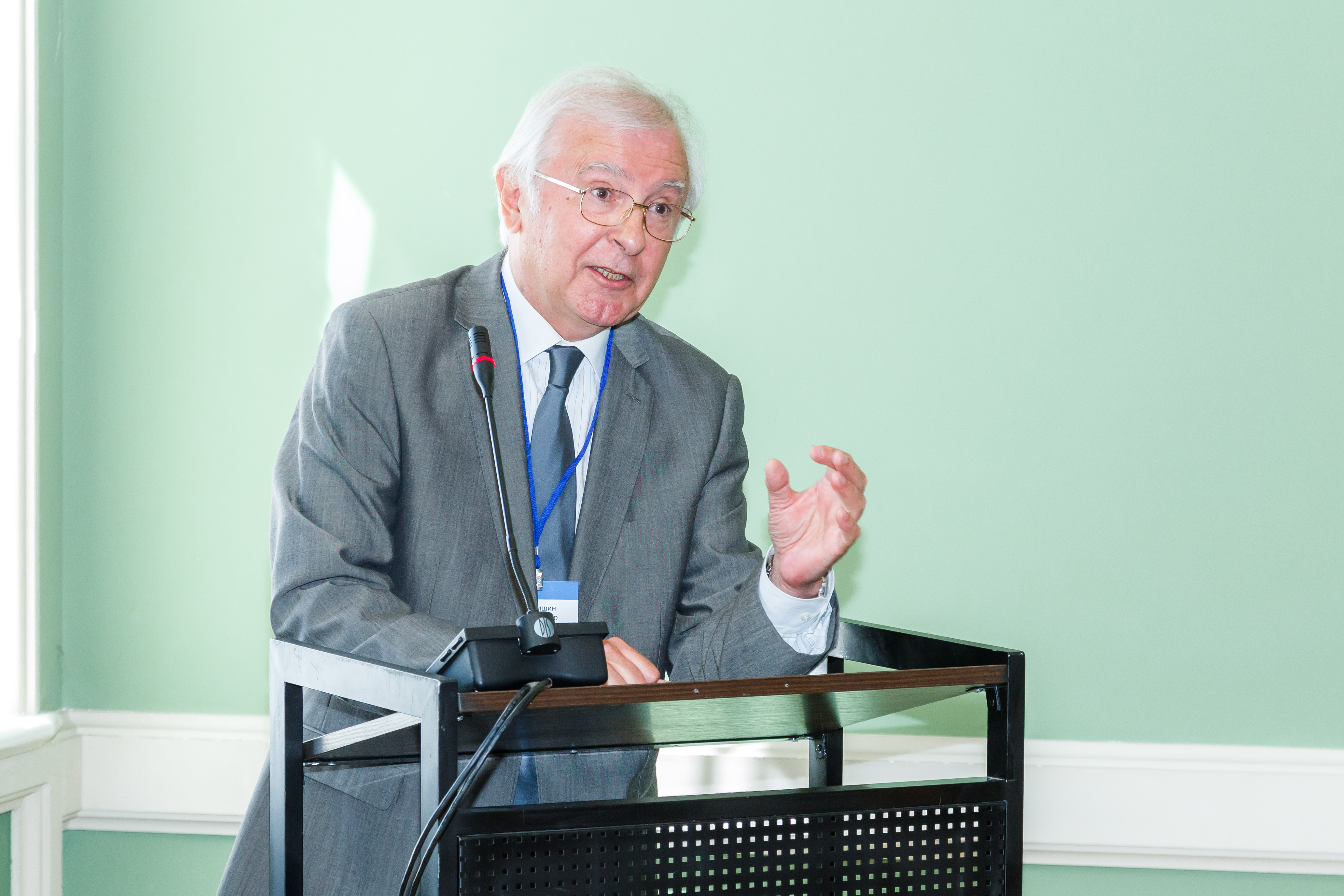
2. Ambassador Olexandr Kupchyshyn, President, Ukrainian Branch, International Law Association

3. Ambassador Sergiy Korsunskyi, Director, Diplomatic Academy of Ukraine


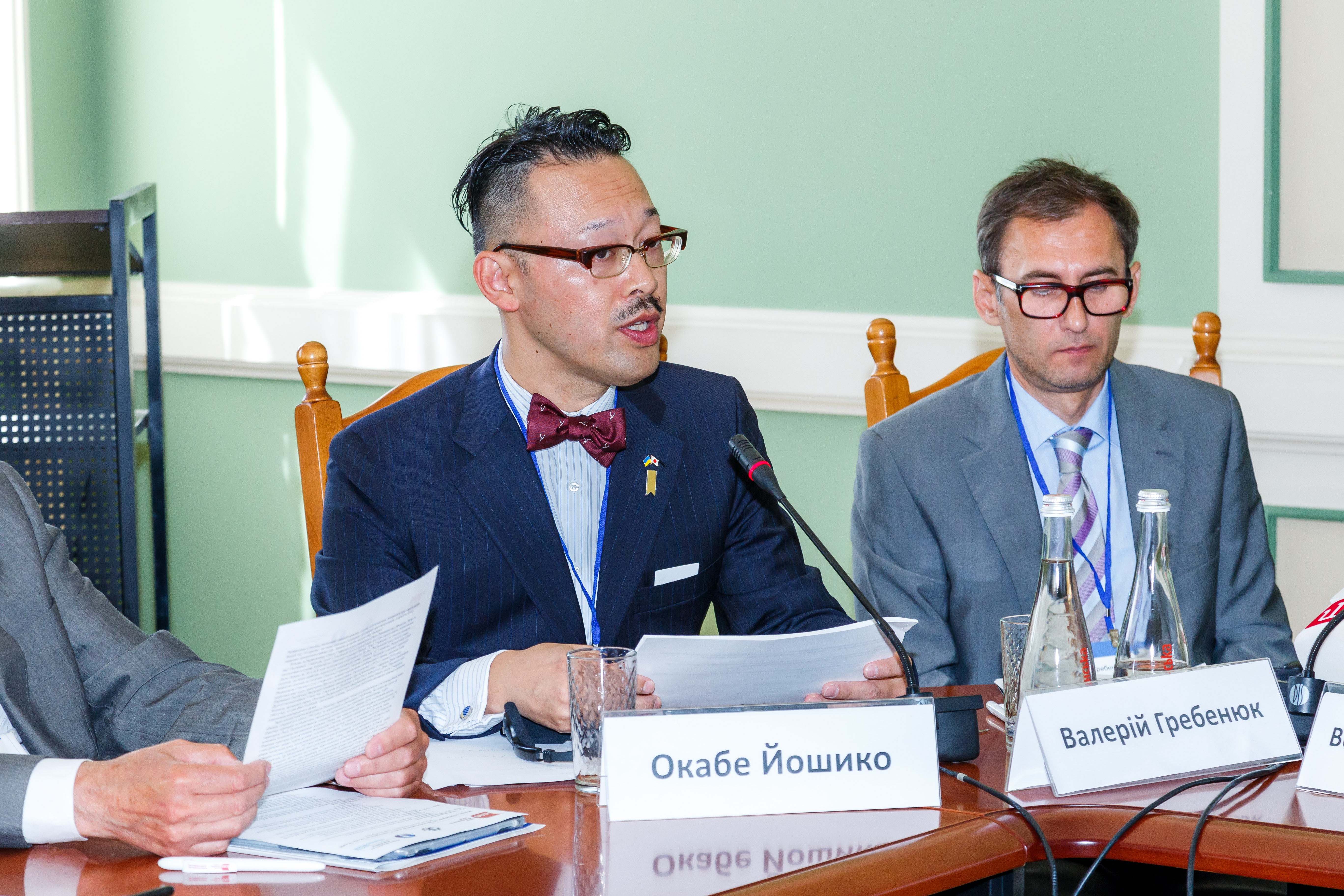


20.05.2018 20:00 Vladislav Inozemtsev *: Russian Economic Strategy: Steps Necessary and Probable.
Vladimir Putin won the election on 18 March, which was quite predictable - and I believe that he will not stop at this: there is such a scale of patriotic frenzy and admiration for imperial rhetoric in the present-day Russia that there are no obstacles for the current "national leader" to continue to remain in power of the head of the state, regardless of how the post he holds is to be called. However, it should be stressed that in addition to purely political exaltation, V.Putin's regime is largely supported by the economic achievements of the Russian government, which, perhaps, are not its exceptional merit, but nevertheless are identified with the current leadership of the country by the overwhelming majority of its inhabitants .
18.05.2018 22:00 Valeri Chechelashvili*: What Should We Expect from «New» Internal Political Course of the Kremlin (View form Georgia)
Dear participants! Ladies and gentlemen!
To start with, we have to identify once again, what are priorities of contemporary Russian internal policy, as well as foreign policy priorities both regionally and globally. What Russia is fighting for?
The Kremlin's internal agenda is to cultivate the non-alternative nature of the existing government and the ruling political elite. Part of this task is total control over political processes, the economy and the mass media, including social networks.
09.05.2018 08:00 Mikhail Savva*: What to Expect from the "New" Internal Political Course of the Kremlin?
Following the results of the presidential election in the Russian Federation on 18 March, 2018, Vladimir Putin gained a convincing victory. Voters’ turnout for the election was 67.5% of all registered, or 73 million 629 thousand people, 76.7% voted for V.Putin.
Were there falsifications at the election? Of course, yes, both new methods and already approved ones. The mechanism of the "mobile voter", new for the electoral legislation of the Russian Federation, was used - voting at the place of actual residence without an absentee certificate, which gave about 4 million votes. The traditional way of "throwing in" filled ballot papers was used, it was especially active at polling stations abroad. This is indicated by statistical distribution - the turnout of Russians abroad was 98%, for Putin - 84.7%, which was 9% higher than the average Russian rate.
08.05.2018 22:00 Mikhail Pashkov *: Foreign Policy Aspects of the Presidential Election Campaign in the Russian Federation
The presidential election campaign in Russia (if it can be called election in the generally accepted sense) has become the prologue to a new round of confrontation on the West-Russia axis, in fact, to a new phase of the cold war.
The Address of the President of the Russian Federation Vladimir Putin to the Federal Assembly, surpassing his famous Munich speech in aggressiveness and confrontation, was a de facto pre-election programme in the form of a video ultimatum to the West. The March speech of the Russian leader dispelled all the illusory expectations of at least some liberal developments in domestic and foreign policy.
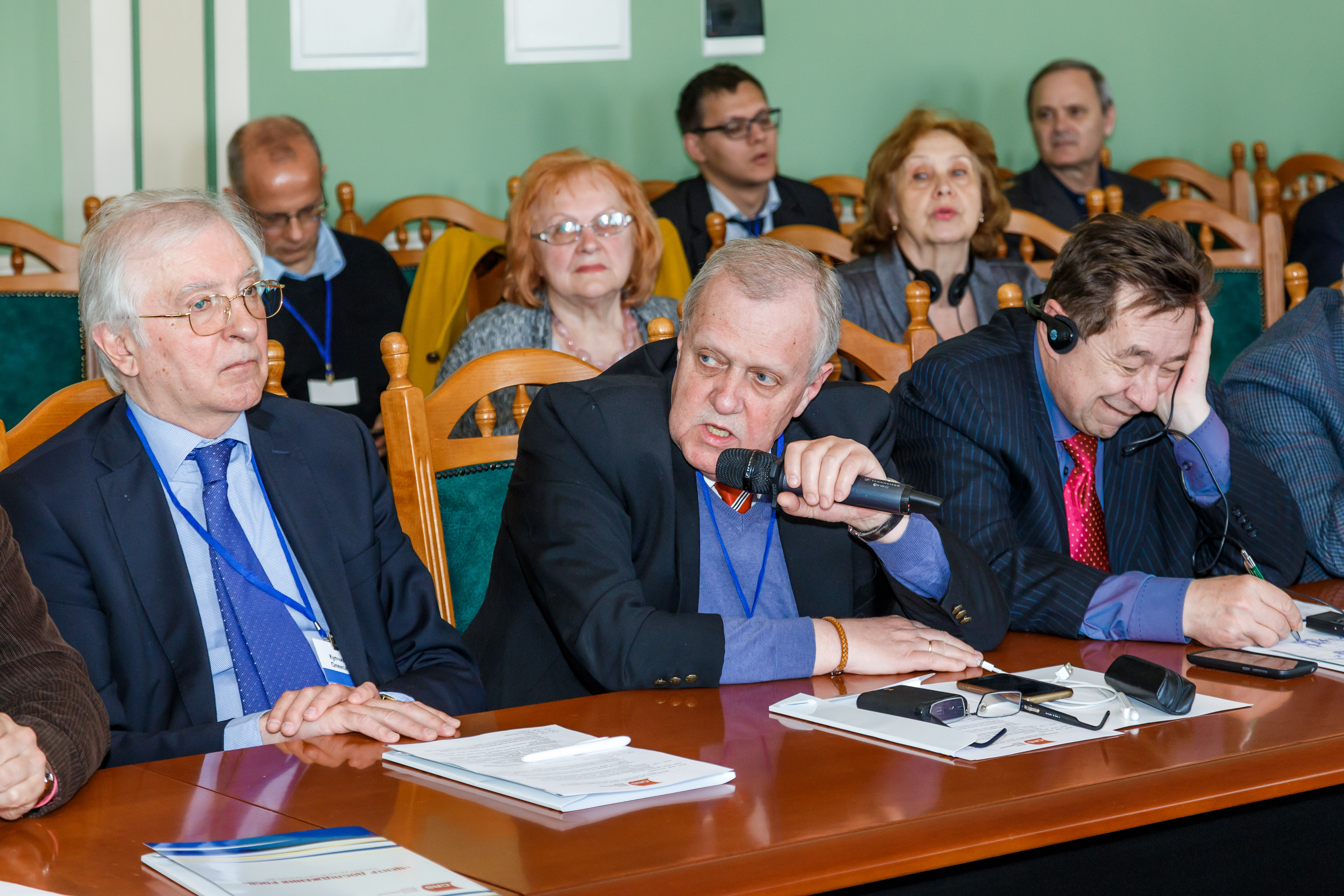
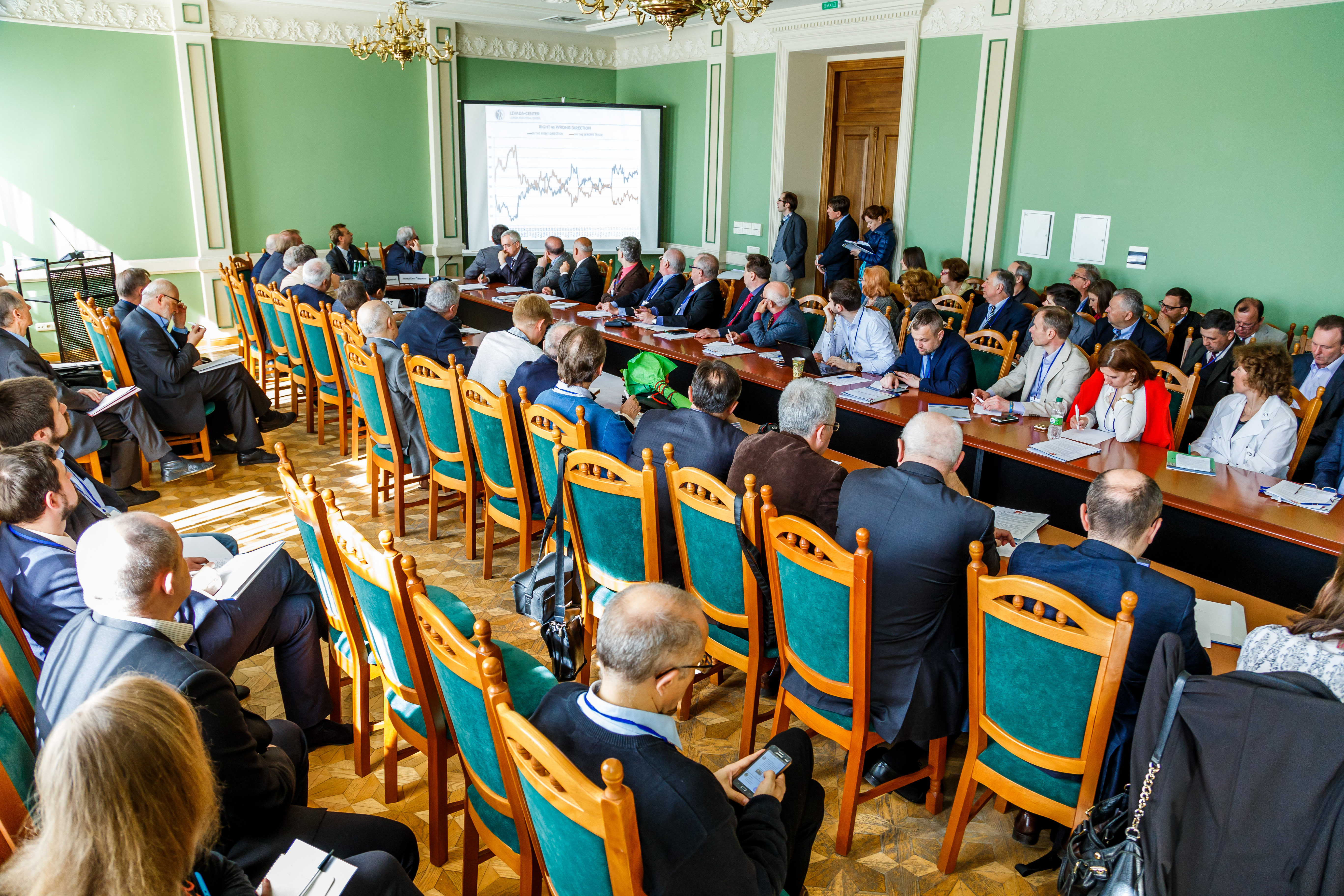
24.04.2018 22:00 International conference "Presidental election in Russia: conclusions and forecasts"

1. Ambassador Volodymyr Ohryzko, CEO, Centre for Russian Studies, welcoming speech
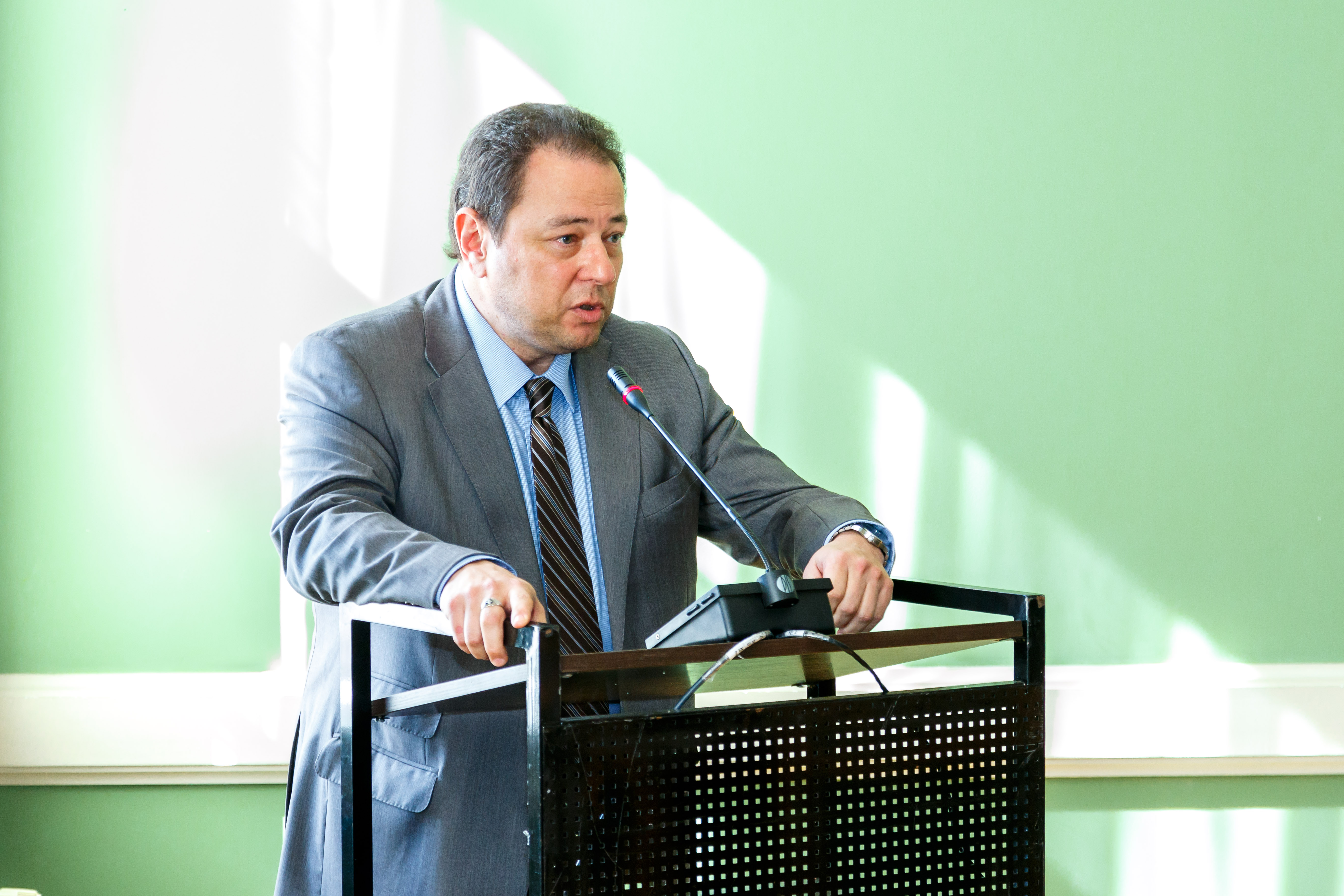
2. Ambassador Sergiy Korsunskyi, Director, Diplomatic Academy of Ukraine, welcoming speech

3. Panel I: Presidential Election-2018 in Russia: Specific Features
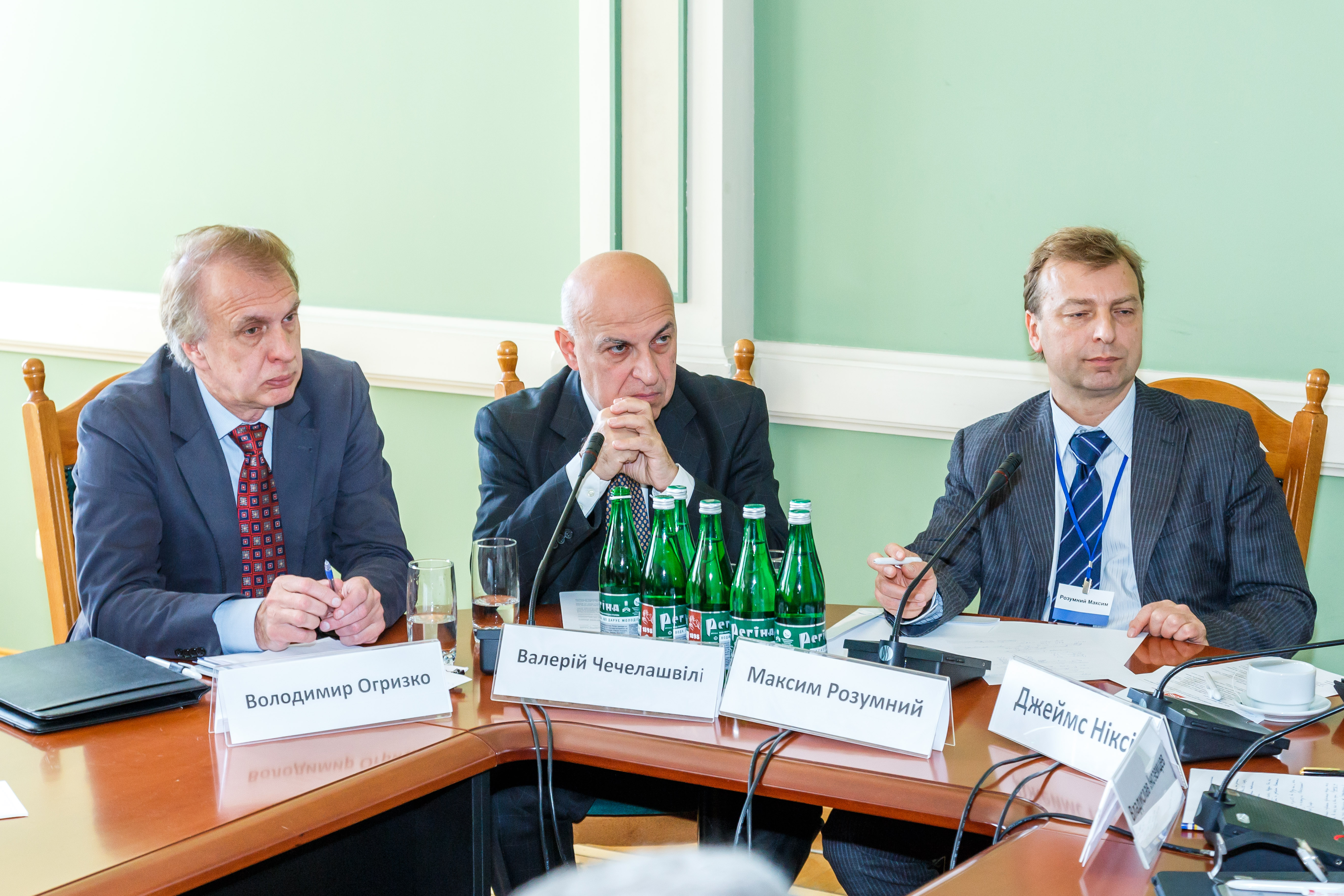
4. Panel II: Russia in the Post-Election Period


Discussion


23.04.2018 18:00 Lev Gudkov*: Presidential Election 2018 in Russia: Context and Consequences.
The March "election" of V. Putin did not arouse much interest among Russians due to its predetermined outcome and deteriorated economic situation. During the autumn and winter of 2017-2018, only 17-18% of polled kept an eye on the course of the election campaign, others were indifferent. 51% of Russians believed that the upcoming election was an imitation of a political struggle a month before the voting day, only 35% called it "serious". The most skeptical towards the election were Muscovites and residents of megacities, a more informed and educated audience (here the share of skeptics rose to 69% versus 13% who considered the election a real political competition).